Finding My Rhythm in the Dark
Join me as I share where my sound originates from
Isaac Jengwa
Finding My Rhythm in the Dark
I have a confession to make.
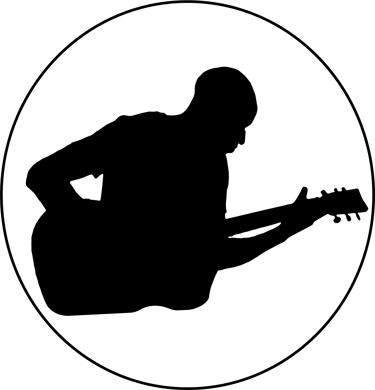
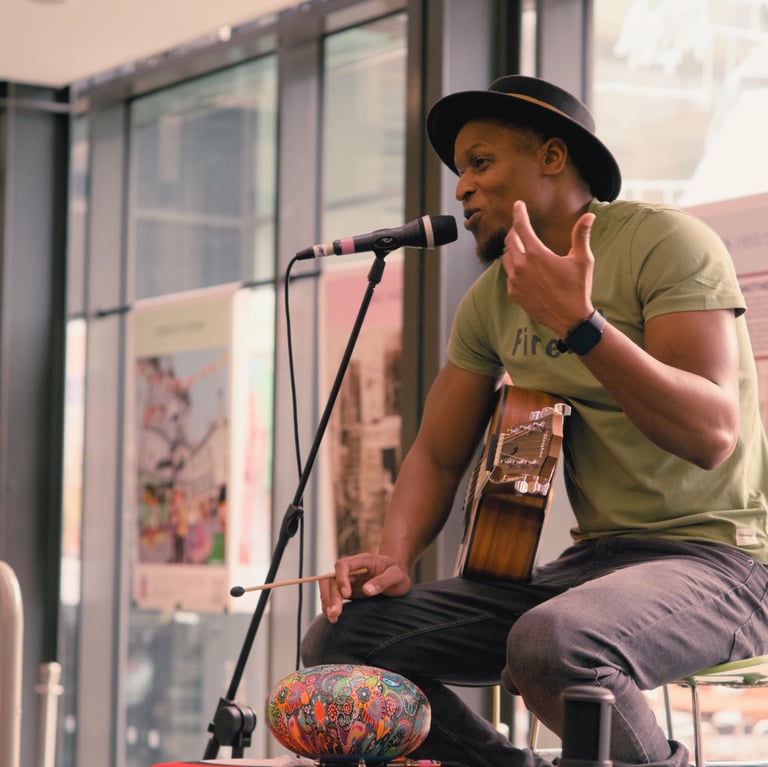
When I first decided to learn the guitar back in 2013, my motivations weren't entirely spiritual. I didn’t have visions of saving the world with a song. Honestly? I just wanted to be that "sexy hunk." You know the one—the guy sitting effortlessly on the floor, playing a soulful melody while a beautiful girl gazes at him in absolute awe.
I didn’t have a formal music school. I couldn’t afford one. But I had a burning drive that went deeper than just wanting to look cool.
At the time, I was singing acapella with some incredible guys. They were amazing singers, but I was becoming a prisoner to the music in my head. I’d hear these intricate sounds, these layers and notes that I just couldn’t translate into vocal arrangements. People have lives; they can’t practice 24/7, and I didn’t know how to explain the "symphony" running through my brain.
I was frustrated. I needed a tool to set those ideas free.
The Season of Borrowed Strings
My journey didn’t start with a shiny new instrument. It started with borrowed guitars.
If a lender was generous, I’d have a guitar for a month or two. I’d pour everything into it. And then, it would go back to its owner. For the next six months, I’d be "playing" in my head—humming songs, memorizing finger positions on invisible frets, waiting for the next chance to hold a guitar again.
By 2013, I started teaching myself via YouTube. I was a sponge. I learned so much that it was probably detrimental—I had so much theory in my head I didn't know what to do with it. But because I didn’t have a teacher sitting in front of me, I was free to explore. I couldn't perfectly copy a strumming pattern or a finger-picking style from a screen, so I ended up creating my own by accident.
That "accident" became my sound: a blend of Indie Folk and something much more ancient.
The Gift of the Blackout
In Zimbabwe, the economy often likes to play tricks on you. Blackouts were—and still are—a regular part of life.
So, I learned to play in the dark.
It sounds like a hardship, but it was actually a hidden blessing. In the pitch black, I didn’t have to squint my eyes to shut out the world. The world was already gone. I didn't have to "try" to recede into my imagination—the darkness took care of that for me.
In those quiet hours, my fingers became best friends with the fretboard. They found patterns not because they saw them, but because they felt them. I wasn't just playing notes; I was finding stillness.
Why I Still Tell My Students to Turn Off the Lights
I’ve been teaching others since 2018, and I always give them the same piece of advice: Play in the dark.
In a world that is loud, bright, and constantly demanding our attention, we need that stillness to find our own rhythm. That is what "Slow Music" is all about. It’s not just about the tempo of the song; it’s about the state of the heart while you play it.
I've learned that darkness doesn't always mean something is wrong or evil. Sometimes, it’s just the light beckoning you to look inward—to the place where you truly belong.
Connect
Reach out for bookings or questions
© 2026. All rights reserved.